To understand why this happens, you need to look at how groundwater actually exists beneath the earth’s surface. Water is stored in what are known as aquifers—natural underground layers of rock or sediment that hold water. These aquifers are not evenly distributed. In some areas, they are shallow and abundant; in others, they are deep, narrow, or even nonexistent. The geology of a location—whether it is sandy, rocky, clayey, or fractured—determines how water is stored and how accessible it is. That’s why two neighboring plots of land can produce completely different results when drilled. One might yield a strong, sustainable water flow, while the other produces nothing at all. So when someone decides to drill a borehole without first conducting a proper underground water survey, what they are essentially doing is gambling—placing a high-cost bet without knowing the odds.
Let’s talk numbers, because this is where it becomes real. In most urban and semi-urban areas of Cameroon, water is typically found at an average depth of about 40 to 100 meters, although this can vary significantly depending on the terrain and geological conditions. Drilling to that depth is not a small undertaking. It requires specialized equipment, skilled labor, fuel, casing materials, and time. On average, drilling can take anywhere from 2 to 5 days, sometimes longer if the ground is particularly hard or if technical challenges arise. Now factor in the cost: a complete borehole system—including drilling, casing, gravel packing, pump installation, and basic infrastructure—can range between 1.5 million and 5 million FCFA, and in some cases even more. That’s a substantial investment by any standard. Now imagine committing that kind of money without any scientific confirmation that water is actually present at your chosen location. Imagine going through the entire process—hearing the drilling machine run for days, watching the meters go deeper and deeper—only to reach the target depth and find nothing. No water. No return on investment. Just a dry hole and a heavy financial loss.
This is not a rare scenario. It happens more often than people are willing to admit. In fact, many failed boreholes you see around are silent evidence of this problem. People don’t talk about them, but they exist—in compounds, behind buildings, abandoned on farms. Each one represents a decision that was made without adequate information. And in most cases, the root cause is the same: no proper underground water survey was conducted before drilling.
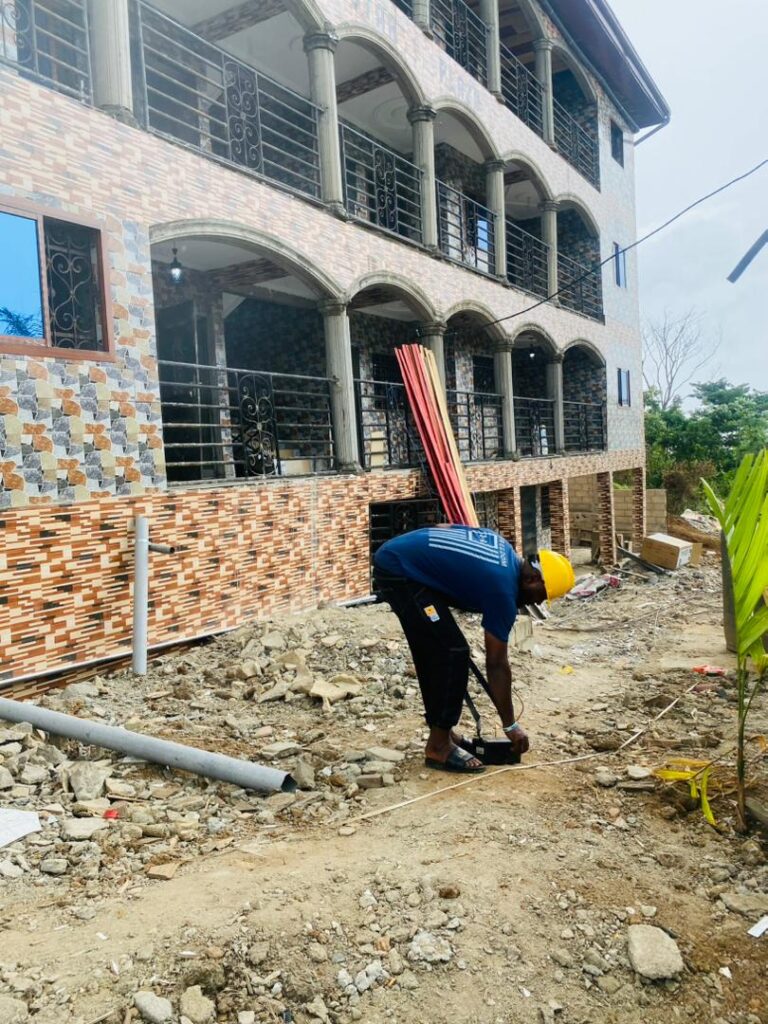
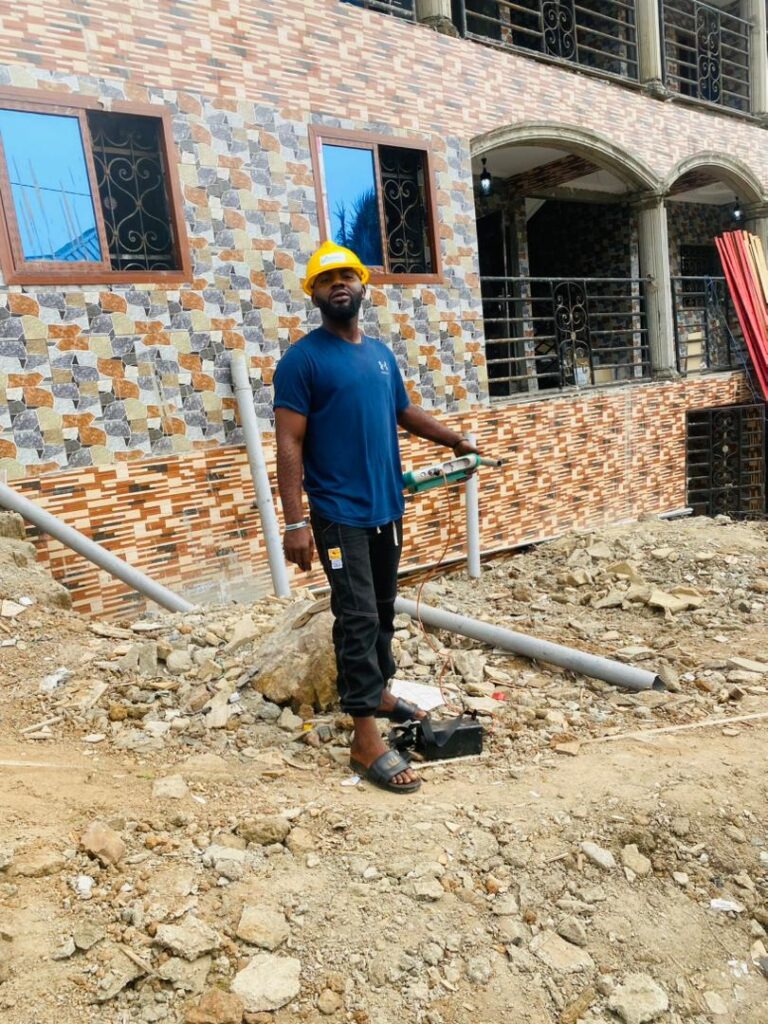
Now, here’s the part that changes everything. You don’t have to take that risk. Technology has made it possible to significantly reduce uncertainty when it comes to locating underground water. This is where underground water survey equipment comes in. Using advanced geophysical methods, these machines can scan beneath the surface of the ground to detect the presence of water-bearing formations. They provide critical data such as the depth at which water is likely to be found, the thickness of the aquifer, and the most suitable point for drilling. In simple terms, instead of guessing, you are working with informed insight. Instead of drilling blindly, you are drilling with direction.
At UnlimitedTech Projects4Less, this is exactly the approach we take. We don’t just show up with a drilling machine and start digging. We begin with a professional underground water survey that gives you a clear picture of what lies beneath your land. Our process is designed to eliminate unnecessary risks and help you make decisions based on data, not assumptions. We use modern equipment and combine it with field experience to interpret the results accurately. Because let’s be honest—having a machine is one thing, but knowing how to use it effectively and interpret the findings is what truly matters.
When we conduct a survey, we are looking for specific indicators that suggest the presence of groundwater. We analyze variations in the subsurface structure, identify potential aquifer zones, and estimate the depth at which water can be accessed. This information allows us to recommend the best drilling point on your property. It also helps in planning the drilling process more efficiently—knowing how deep to
include tags
Most people don’t realize it until it’s too late, but drilling a borehole without proper planning is one of the fastest ways to lose serious money in Cameroon. Across cities like Yaoundé, Douala, and Buea, the demand for reliable water supply keeps rising—homes need it, construction sites depend on it, farms rely on it, and businesses can’t function efficiently without it. So naturally, many property owners turn to borehole drilling as a long-term solution. On paper, it sounds simple: pick a spot, drill deep enough, and water should come out. But reality doesn’t work like that. Underground water is not evenly distributed, and it certainly doesn’t sit waiting under every piece of land. Yet many people still rely on guesswork, unverified advice, or assumptions—and that’s where the financial damage begins.
In most parts of Cameroon, groundwater is typically found between 40 to 100 meters on average, though in some terrains it can go even deeper. Reaching that depth is not cheap or quick. Drilling alone can take 2 to 5 days, depending on soil conditions, rock layers, and accessibility. Then comes the full cost—drilling, casing, gravel packing, pump installation, and setup—which today ranges roughly between 1.5 million to 5 million FCFA. Now pause and think about that: you’re committing millions before even confirming if water exists at that exact spot. That’s not investment—that’s gambling.
And the worst part? Many people only realize this after the money is gone. You’ll find abandoned boreholes—dry, unproductive, forgotten—scattered across compounds and construction sites. Each one tells the same story: no proper survey was done. No verification. Just hope. And hope is not a strategy when millions are on the line.
Here’s the smarter approach. Instead of guessing, you verify. Instead of drilling blindly, you use data. Underground water survey technology allows professionals to scan beneath the ground and detect water-bearing zones before drilling even begins. It helps identify whether water is present, how deep it is, and the best point to drill. This is not guesswork—it’s informed decision-making. It reduces risk, saves time, and most importantly, protects your money.
At UnlimitedTech Projects4Less, we take this seriously. We don’t just drill—we guide you from the start with accurate underground water surveys. Our equipment and expertise allow us to assess your site and recommend the most viable drilling point, giving you clarity before you spend a single franc on drilling. Because the truth is simple: drilling without a survey is not just risky—it’s expensive gambling. And when the stakes are in millions, that’s a gamble you simply cannot afford to take.
So whether you’re planning a borehole for your home, farm, rental property, or construction project, the smart move is to start with a survey. Know what’s beneath your ground before you invest on top of it. Book your underground water survey today with UnlimitedTech Projects4Less and get it right the first time.